




ADAS Calibration After a Collision: What Drivers Need to Know
Even a minor collision can knock the cameras and radar behind your safety systems out of alignment. Here's when your car needs a calibration and why skipping it is risky.
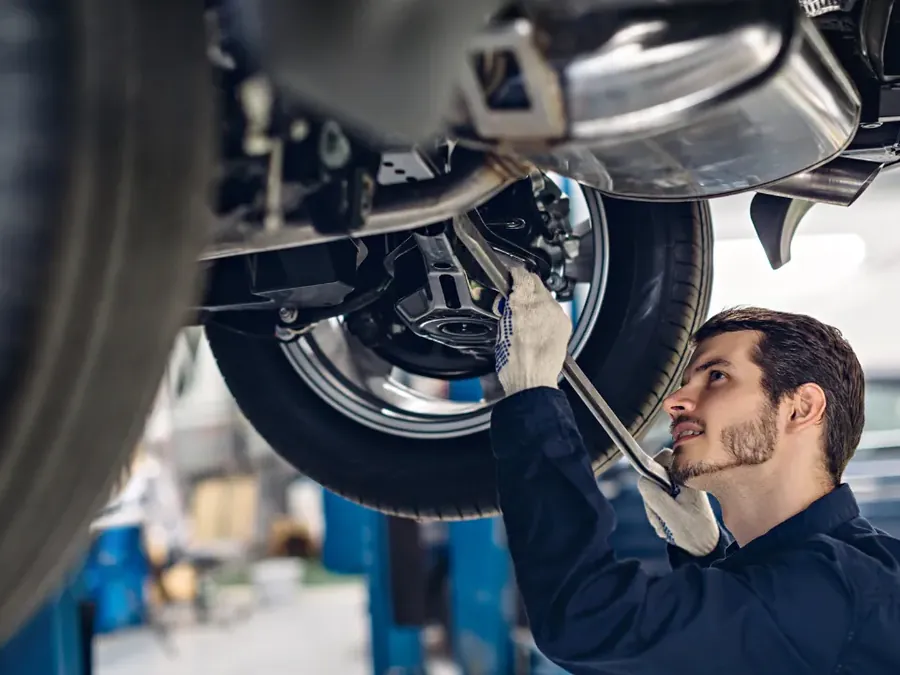
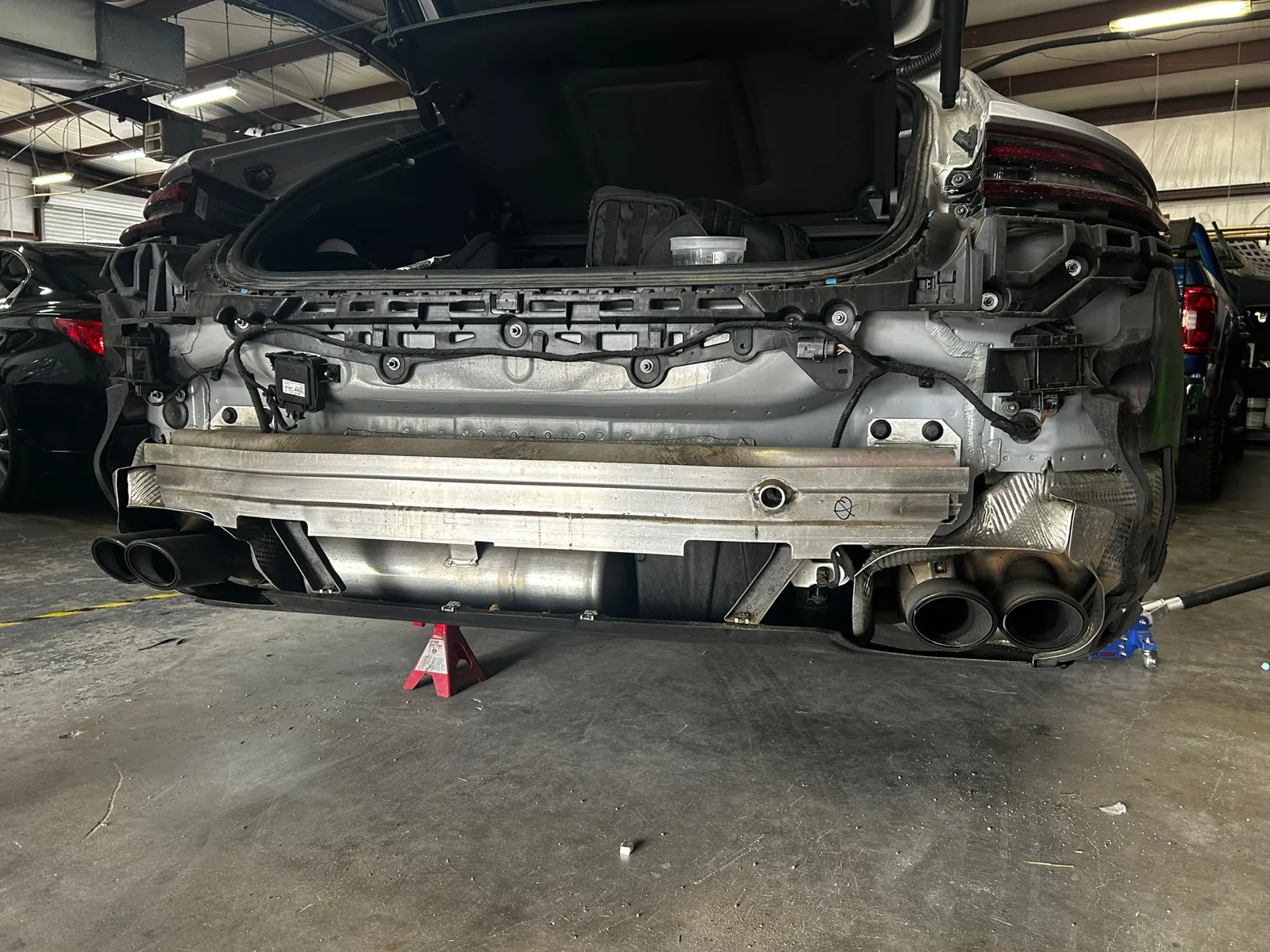
Lane-keep assist, automatic emergency braking and adaptive cruise control rely on cameras and radar mounted in bumpers, grilles, mirrors and windshields. After a collision, even a minor one, those sensors can be knocked out of alignment, and the car may not warn you.
Calibration is now part of most repairs
Industry data shows how common this has become. Calibrations appeared on 35.6% of direct-repair estimates in Q3 2025, up from 26.9% a year earlier, and diagnostic scans appeared on 87.7% of estimates (Autobody News).
When your car may need a calibration
- A bumper, grille or mirror was removed, repaired or replaced.
- The windshield was replaced.
- A wheel alignment was performed.
- Airbags deployed or the structure was repaired.
- A warning light appears after the repair.
Static vs. dynamic calibration
Static calibrations are done in the shop with targets placed at exact distances. Dynamic calibrations are done on the road at set speeds. Many vehicles need one or both, depending on the manufacturer's procedure.
Don't skip it
An uncalibrated camera or radar can misjudge lane lines or brake late. Ask your shop for documentation that every required scan and calibration was completed.
We scan vehicles before and after repair and coordinate any required calibrations before your car leaves our Fort Worth shop. Schedule your estimate.
Been in an accident?
We'll take it from here.
Get a free written estimate and a clear plan for your repair, with or without an insurance claim.
Fort Worth, TX 76244
Saturday: 10 AM – 4 PM
Sunday: Closed